Pull Behind Plow for Garden Tractor: A Guide to Sustainable Soil Preparation
Preparing your garden soil effectively is crucial for a bountiful harvest. While a pull-behind plow for your garden tractor offers a seemingly straightforward solution, understanding its implications for sustainable farming is key. This guide will provide you with the information needed to make informed decisions about its use, weighing its benefits against potential environmental concerns. For more information on garden tractor plows, check out this helpful resource: Garden Tractor Plows.
What's a Pull-Behind Plow for a Garden Tractor?
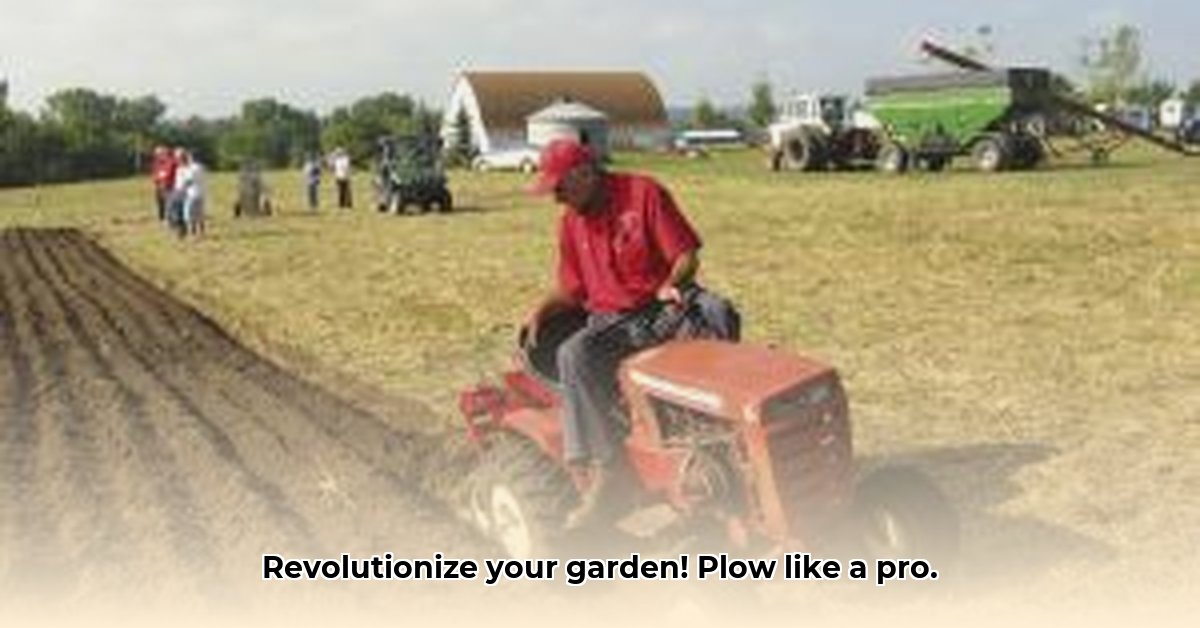
A pull-behind plow for a garden tractor is a miniature version of large-scale agricultural plows. These smaller plows, often found in brands like Brinly-Hardy, attach to the rear of your garden tractor. A curved metal blade (the moldboard) inverts the soil, burying weeds and creating a loose seedbed suitable for planting. This method represents a more intensive form of tillage compared to shallow tillage options. These plows are ideal for smaller gardens and plots where larger machinery is impractical. (Image of a small-scale moldboard plow attached to a garden tractor would be inserted here)
Benefits and Drawbacks of Using a Small-Scale Moldboard Plow
Before committing to using a pull-behind plow, consider both its advantages and disadvantages carefully. The long-term impact on soil health is a critical factor that requires careful consideration.
Advantages:
- Cost-Effectiveness: This method offers a more affordable option for soil preparation compared to hiring professionals or renting larger equipment, particularly for smaller gardens.
- Effective Weed Control: Moldboard plowing efficiently buries weeds, reducing the need for herbicides and potentially minimizing reliance on chemical weed control.
- Seedbed Preparation: The inversion process effectively creates a well-prepared seedbed ensuring optimal seed-to-soil contact, leading to improved germination and seedling development.
- Relatively Simple Operation: Compared to other methods, using a pull-behind plow is relatively straightforward, although experience improves efficiency.
Disadvantages:
- Soil Erosion Potential: Turning over the soil significantly increases vulnerability to erosion, especially on slopes or with lighter soils. This process disrupts the natural soil structure and can lead to accelerated soil loss.
- Soil Compaction: While preparing a seedbed, the plow can compact the soil, reducing water infiltration and hindering root growth if not used carefully. The pressure of the plow can damage the soil's structure.
- Fuel Consumption: The use of a gasoline-powered garden tractor will result in fuel consumption, influencing overall operating costs and environmental impact.
- Disruption of Soil Biology: Moldboard plowing significantly disrupts the natural soil ecosystem, potentially affecting beneficial microorganisms and soil organisms that play a crucial role in soil health.
- Labor Intensive: Even with the use of a tractor, the method still requires physical effort and time management to prepare the soil.
Choosing the Right Plow
Selecting the appropriate pull-behind plow requires careful consideration of several factors, directly impacting the efficiency and sustainability of your gardening practices.
- Soil Type: Heavy clay soils demand more robust plows than lighter, sandy soils. Heavier plows are needed for deeper and more effective tilling in denser soils.
- Garden Size: Larger gardens benefit from wider plows to reduce the number of passes required, saving considerable time and effort.
- Tractor Horsepower: Ensure your tractor possesses sufficient power to operate the plow without straining the engine. This prevents damage to both the tractor and the plow.
- Budget: While considering cost, prioritize a plow that effectively meets your specific needs and soil type.
Practical Guide to Using a Small-Scale Moldboard Plow
Following these steps enhances the effectiveness and safety of using a pull-behind plow.
- Preparation: Remove rocks, sticks, and debris to prevent damage to the plow and your tractor, ensuring a smooth operation.
- Depth Adjustment: Commence with a shallow depth and gradually increase as needed. Experimentation yields optimal soil disturbance for your specific conditions.
- Attachment: Securely attach the plow to the tractor's three-point hitch; rigorously follow the manufacturer’s instructions.
- Plowing: Maintain a consistent speed and slightly overlapping passes for thorough and uniform soil preparation.
- Inspections: Regularly inspect the plow for wear or damage during use, improving maintenance while preventing more significant issues.
- Post-Plowing Care: Incorporate organic matter or cover crops to enhance soil health and minimize erosion that follows plowing.
Sustainable Alternatives
No-till farming, cover cropping, and reduced tillage methods represent viable alternatives to moldboard plowing, offering significant benefits for soil health and environmental sustainability.
- No-Till Farming: This approach maintains soil structure and biodiversity, improving water retention and carbon sequestration, enhancing soil health and reducing environmental impact.
- Cover Cropping: Planting cover crops between main crops protects the soil from erosion, adds organic matter, and suppresses weeds, providing additional environmental benefits.
- Reduced Tillage: Techniques such as strip-tilling minimize soil disturbance, offering a compromise between plowing and no-till while achieving efficient weed management.
Conclusion: Sustainable Practices for Soil Preparation
Choosing a sustainable soil preparation method hinges on factors like garden size, soil type, and long-term goals. While a pull-behind plow offers advantages, its potential for soil degradation and erosion remains a crucial concern. Alternative methods like no-till farming and cover cropping prioritize soil health and environmental preservation. More research is needed to fully understand the long-term comparative effects of these various methods. A holistic approach encompassing the context of your farming practices will ensure the most sustainable outcome.